In 2025, the medical world is undergoing rapid transformation. Healthcare professionals, whether working in private practices, health centers, or clinics, are facing increasing pressure: growing patient numbers, complex patient journeys, administrative demands, rapid technological advancements, and ever-higher patient expectations. In this context, delegation is no longer a choice, but a strategic necessity.
Delegating means accepting that you can't do everything yourself. It means trusting your team, your partners, and smart digital tools to handle certain tasks, allowing you to focus on what truly matters: human connection, quality of care, and innovation in medical practice. Thanks to various solutions, delegation becomes a driver of performance, well-being, and satisfaction – for both caregivers and patients.
This comprehensive guide invites you to explore, in depth and with concrete examples, 7 key tasks you can delegate today, to transform your organization and offer your patients an optimal experience.
I. Managing Phone Reception and Appointments
Why it's crucial
Phone reception is the first point of contact with patients. It shapes the first impression, the smoothness of the patient journey, and even the practice's reputation. However, this task is time-consuming, a source of interruptions and stress, especially during peak call times or when administrative staff are absent.
The Stakes
- Responsiveness : respond quickly, without delay, even during peak activity.
- Availability : offer 24/7 service.
- Quality of reception : personalize responses, reassure, and guide.
How to delegate effectively
Automation via a smart voice assistant like Tennor allows you to manage all incoming calls, propose time slots, confirm appointments, send reminders, and filter emergencies. Integration with the practice's calendar ensures perfect synchronization.
Best practices:
- Personalize welcome messages based on specialty and time of day.
- Offer a transfer option to a human agent for complex cases.
- Analyze call statistics to optimize operations.
II. Administrative Monitoring and Document Management
Why is it essential?
Record keeping, archiving, document transmission, prescription preparation, and billing are essential tasks, but often perceived as a waste of time by healthcare professionals. However, poor administrative management can harm the quality of care and regulatory compliance.
The Challenges
- Data Security : comply with GDPR and ensure confidentiality.
- Traceability : archive and easily retrieve documents.
- Efficiency : reduce the risk of errors and wasted time.
How to Delegate?
Entrusting these tasks to trained medical secretaries or integrated digital tools allows for the centralization and automation of document management. Tennor can, for example, remind patients to bring certain documents, send appointment confirmations, or transmit test results.
Best Practices:
- Implement shared checklists for record monitoring.
- Use secure cloud solutions for archiving.
- Train the team in digital document management.
III. Prevention, Therapeutic Education, and Screening
Why is this strategic ?
Prevention and health education are pillars of modern medicine. However, due to lack of time, these missions are often neglected in favor of curative treatments. Delegating these tasks to paramedical professionals or digital tools is an investment in patients' long-term health.
Key Issues
- Accessibility : offer preventive actions to all patients.
- Continuity : ensure educational follow-up, even remotely.
- Personalization : adapt messages to each profile.
How to delegate ?
Nurses, midwives, dietitians, or health educators can manage therapeutic education, vaccination, screening, or the follow-up of chronic conditions. Some solutions can automatically direct patients to these professionals based on their needs, or send reminders for prevention sessions.
Best practices :
- Create delegation protocols validated by the medical team.
- Use monitoring tools to measure the impact of preventive actions.
- Involve the patient in their educational journey (questionnaires, self-assessment).
IV. Technical Procedures and Routine Care
Why is this relevant ?
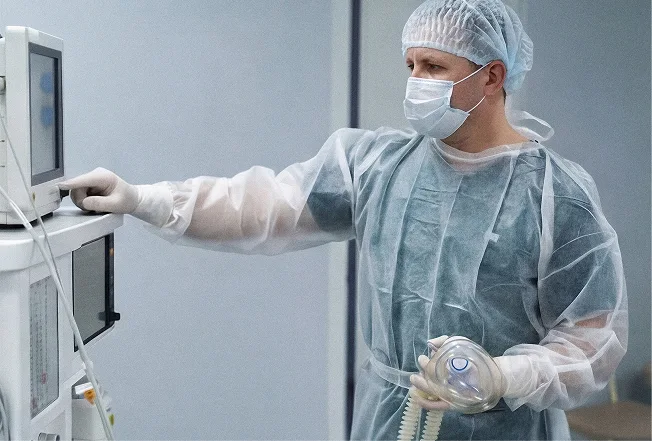
Many technical procedures, such as taking vital signs, simple dressings, monitoring vital parameters, or managing medical devices, can be performed by nursing assistants or nurses, under medical supervision. This frees up medical time for complex consultations.
Key Issues
- Promptness of care : avoiding delays for routine care.
- Team skill enhancement : valuing paramedical roles.
- Safety : ensuring the quality and traceability of procedures.
How to delegate?
The professional delegates according to a precise protocol, while retaining responsibility for follow-up. Tennor can remind patients of treatments to be performed, follow-up appointments, or transmit personalized instructions.
Practical example:
In a general practice, the nurse performs dressings and monitors diabetic patients. Tennor sends an automatic reminder to the patient for their weekly appointment, and notifies the nurse of any delays or cancellations.
Best practices:
- Drafting procedure sheets for each delegated task.
- Organizing regular meetings for feedback.
- Using shared tracking tools for traceability.
V. Directing and triaging incoming requests
Why is this strategic?
Guiding patients to the right professional, service, or specialty is a key task for avoiding misdirection, reducing delays, and optimizing emergency management.
Key Issues
- Streamlined Patient Journey : avoiding unnecessary back-and-forth.
- Responsiveness : prioritizing emergencies.
- Satisfaction : reducing waiting times.
How to delegate?
A voice assistant like Tennor qualifies the request from the moment of the call: reason, urgency, type of appointment sought. It directs the patient to the right contact person, transmits necessary information, or triggers an alert in urgent situations.
Practical example:
A multidisciplinary center uses Tennor to route calls: prescription renewal requests are directed to the secretariat, emergencies to the on-call doctor, and administrative questions to the social worker.
Best practices:
- Regularly update referral protocols.
- Train the team in managing exceptional situations.
- Analyze call statistics to adjust organization.
VI. Follow-ups, Reminders, and Post-Consultation Monitoring
Why is it essential?
Following up with patients for ongoing care, reminding them of appointments, checking treatment adherence, or gathering post-consultation feedback are essential tasks for quality of care and patient retention.
Key issues
- Treatment adherence : preventing gaps in follow-up.
- Reducing no-show rates : optimizing the schedule.
- Continuous improvement : gathering patient feedback.
How to delegate?
Tennor sends personalized reminders, offers satisfaction surveys, or invites patients to book a new appointment. This helps maintain a constant connection without overburdening the team.
Practical example:
An orthopedic surgery clinic uses Tennor to follow up with patients one week after surgery: the patient receives an automated call inviting them to report any abnormal symptoms, which helps anticipate complications and improve patient care.
Best practices:
- Tailor the frequency and channel of reminders to the patient's profile.
- Use feedback to improve practices.
- Systematically document follow-ups in the patient record.
VII. Secure Collection and Management of Health Data
Why is it essential?
The collection, management, and security of health data are major challenges for regulatory compliance, quality of care, and medical research.
Key Issues
- Confidentiality : comply with GDPR and security standards.
- Accessibility : enable quick access to information for the team.
- Maximizing Value : leverage data for quality, research, or prevention.
How to delegate?
Secure platforms, integrated into the practice's ecosystem, ensure this management.
Best practices:
- Implement regular data security audits.
- Educate the team on confidentiality.
- Use data to drive quality and prevention.
The overall benefits of delegation
For healthcare professionals
- More time for patient care : refocusing on clinical examination, patient relationships, and medical decision-making.
- Less stress and overload : reduction in time spent on administrative tasks.
- Valuing team skills : increased responsibility, enhanced engagement.
For patients
- Better quality of welcome : prompt, personalized, and reassuring care.
- Smoother and more personalized patient journey : effective guidance, enhanced follow-up.
- Satisfaction and loyalty : positive experience, practice recommendation.
For the organization
- Resource optimization : improved task allocation, cost reduction.
- Continuous improvement : data analysis, protocol adaptation.
- Innovative image : attractiveness for patients and new staff.
Supporting Delegation: The Keys to Success
Clear Protocols and Training
Delegation must operate within a precise regulatory framework, with validated protocols, traceability, and appropriate supervision. Everyone's roles must be defined, training provided, and communication fluid.
Choosing the Right Tools
Automation doesn't replace humans; it complements them. Solutions like Tennor should be chosen for their reliability, ease of integration, compliance with security standards, and ability to adapt to the practice's organization.
Change Management
Informing and training the team, explaining the benefits to patients, gathering feedback: successful delegation hinges on human support.
Testimonials and Feedback
"Since we delegated phone reception to Tennor, we've gained peace of mind and availability. Patients are taken care of without waiting, and our team can focus on what matters most."
"Automating reminders and follow-ups with Tennor has halved our no-show rate. Patients appreciate the simplicity and personalization of the service."
"We've been able to develop therapeutic education thanks to delegation: our nurses manage the follow-up of diabetic patients, while the doctor focuses on complex diagnoses."
Conclusion: Delegation, a Winning Strategy for the Future
Delegating certain tasks means choosing efficiency, quality, and well-being at work. Healthcare professionals who rely on cooperation, their team's skill development, and innovative solutions like Tennor transform their daily operations. They offer their patients a smoother, more human, and more effective experience.
In the face of current challenges, delegation is no longer an option: it's a winning strategy for everyone. Dare to take the leap, and discover how tools can become an indispensable partner in your success.
Want to go further? Contact Tennor for a personalized demonstration and discover how smart delegation can revolutionize your medical practice.

.svg)
.svg)
.svg)
.svg)
.svg)
.svg)
.svg)
.svg)
.svg)



















.webp)