Medical imaging

Dentistry

Ophthalmology

Analysis laboratory

Cardiology

Public sector

General practice

Gynaecology

Anaesthesiology










Pre-exam instructions
Patient follow-up
Sending documents
Making an appointment
Confirmation of appointments



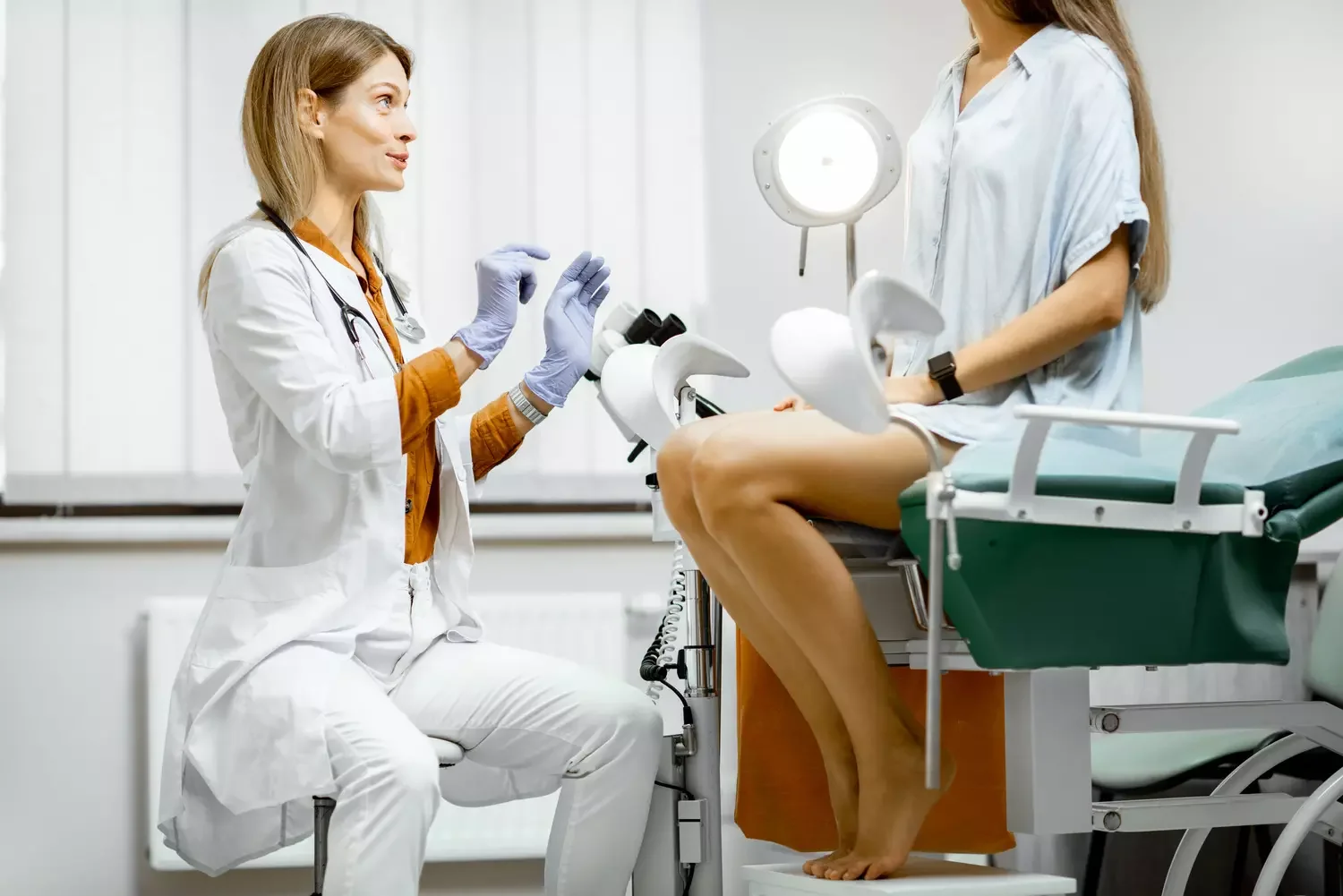



Running a gynaecology practice is a unique challenge: pregnancy monitoring, emergencies, the intimacy of conversations... Discover how an AI assistant transforms your organisation, from appointment booking to care pathway management, for more humane and efficient patient care.
A gynaecology practice is far more than a place of medical care. It is a space for listening, trust and intimacy, where the most important stages of a woman's life unfold: contraception, the desire for a child, pregnancy monitoring, the menopause, but also the management of sometimes serious conditions or anxiety-inducing emergencies. The quality of the human relationship and of communication is therefore at the heart of this specialty.
Yet this ideal is constantly tested by the reality on the ground. Gynaecology practices face growing demand for care, lengthening appointment delays, and a switchboard besieged by requests as varied as they are sensitive. The team, often made up of the practitioner and a single secretary, must juggle reception, complex schedule management, emergency triage and the need to preserve a calm, reassuring environment.
In this context, conversational artificial intelligence is not a technology that dehumanises care, but on the contrary, a powerful lever to preserve and strengthen it. An AI assistant for a gynaecology practice acts as a caring, intelligent filter, handling the logistics so the team can devote itself entirely to listening and caring.
This article is a complete guide for gynaecologists, obstetricians, midwives and their teams, exploring in depth how a voice AI solution like Tennor can optimise every aspect of managing your gynaecology practice, improving both organisational efficiency and the quality of patient care.
The gynaecology specialty is unique in the intimate and often emotional nature of the reasons for consultation, and in the need for long-term follow-up.
A gynaecologist's diary is a complex weave of appointments of very different kinds:
Manually managing this diversity, making sure each appointment is allocated the right duration and the right resources, is a permanent challenge.
The telephone is a vital channel, but also a source of immense pressure. Calls are often delicate and demand triage of great subtlety:
The reception desk must be not only a logistics expert, but also a psychologist able to handle emotionally charged situations, while protecting the confidentiality of every exchange.
An unattended appointment in gynaecology can disrupt a structured care pathway. Missing a trimester scan or a treatment follow-up appointment can delay a diagnosis or an important therapeutic decision. Moreover, given the long waiting times to get an appointment, every lost slot penalises another woman who needed it.
Faced with these challenges, an AI assistant for a gynaecology practice like Tennor provides a structured solution, automating communication with a sensitivity suited to the specialty.
Tennor's AI is trained to understand the intentions specific to gynaecology, with a calm, reassuring and professional tone.
AI excels at scheduling appointments that form part of a care pathway.
Case Study 1: Booking an appointment for pregnancy monitoring
This proactive approach structures the pathway from the outset, reassures the patient and optimises the schedule over the long term.
Tennor's reminders are personalised to include important instructions and reassure the patient.
Case Study 2: Reminder for a coil (IUD) fitting
This simple instruction, delivered systematically every time, can greatly improve the patient's comfort during the procedure.
Introducing AI has a transformative effect on the working environment and productivity of a gynaecology practice.
By handling the incessant flow of calls for simple requests, the AI gives the secretary back her essential role as assistant and coordinator. She can devote herself to:
The practice becomes a calmer, more organised place, where the quality of the human welcome is preserved and valued.
The AI can automate communication about results availability, thereby reducing the number of anxious calls.
This kind of proactive message is extremely reassuring and avoids dozens of unnecessary calls.
From the patient's point of view, interacting with the practice becomes simpler, more confidential and more reassuring.
Case Study 3: Communication Workflow During Pregnancy
This automated yet personalized follow-up strengthens trust and the feeling of being perfectly cared for.
1. Gynecology is a very intimate specialty. Won't patients be put off by AI?
This is a central concern. Experience shows that if AI is designed with a professional, calm, and respectful tone, it is very well accepted. For logistical requests (making or changing an appointment), patients prioritize efficiency and speed. Furthermore, for certain delicate requests, AI can even offer a perceived higher level of confidentiality. And most importantly, the system Tennor is designed to immediately transfer to a human as soon as the conversation becomes complex, emotional, or if the patient requests it.
2. How can AI manage the triage of an obstetric emergency, where every minute counts?
AI does not replace diagnosis; it accelerates triage. It is programmed with strict emergency protocols, validated by gynecologists. As soon as a pregnant patient mentions "bleeding," "strong and regular contractions," or "water breaking," the AI asks no further questions. Its instruction is to transfer the call with absolute priority to the team or to provide the delivery room number at the maternity ward. It acts like a smoke detector: it doesn't fight the fire, but it gives an instant alert, 24/7.
3. Can AI be used to communicate pap smear or biopsy results?
No, and that's a golden rule. Tennor's AI never communicates medical results. That is the exclusive role of the practitioner. However, it can manage the status of the result in an intelligent and reassuring way, as explained above ('your results have arrived and been seen by the doctor; we would call you if there were any issues'). This helps manage the anxiety of waiting without violating any confidentiality or medical ethics rules.
4. Our administrative staff knows our patients very well. Won't we lose this valuable connection?
On the contrary, you will strengthen it. By relieving the receptionist of repetitive calls and schedule management, AI gives her the time to cultivate this connection. She will have more availability for a genuine exchange when a patient is in the office, to check in, or to manage a socially complex case. AI handles the logistics so that humans can focus on relationships.
5. What is the return on investment (ROI) for a gynecology practice?
The ROI is fast and tangible:
Managing a gynecology practice requires a delicate balance between medical rigor, organizational efficiency, and profound humanity. In this demanding environment, conversational artificial intelligence is not a threat to the patient-practitioner relationship, but its best ally. By handling logistical complexity, it protects the time and energy of the care team.
An AI assistant like Tennor helps structure care pathways, secure communication, and offer constant, compassionate support. It doesn't just manage appointments; it contributes to creating a care experience where every woman feels heard, understood, and perfectly cared for, at every stage of her life. By adopting this technology, gynecology practices are not just investing in their productivity; they are investing in their most precious asset: the trust of their patients.

+4M calls answered. Join partners who trust Tennor.