Medical imaging

Dentistry

Ophthalmology

Analysis laboratory

Cardiology

Public sector

General practice

Gynaecology

Anaesthesiology










Pre-exam instructions
Patient follow-up
Sending documents
Making an appointment
Confirmation of appointments



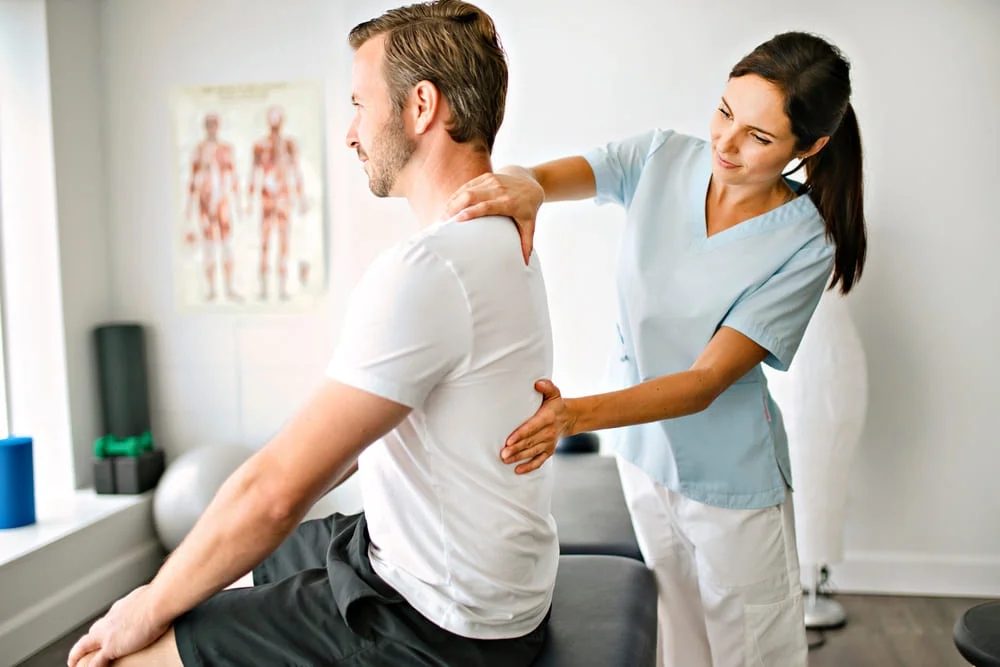



Managing a sports medicine practice is a unique challenge: traumatic emergencies, athlete follow-up, certificates... Discover how an AI assistant transforms your organisation, from appointment booking to performance follow-up, for more responsive and efficient care.
The sports medicine physician's practice is a unique place of convergence. It welcomes the elite athlete looking to optimise their performance, the amateur sportsperson who has just been injured on a football pitch, and the sedentary patient wishing to resume physical activity safely. This diversity of profiles and needs, ranging from prevention to acute traumatology and performance follow-up, creates immense organisational complexity.
The pace is often dictated by urgency: an ankle sprain the day before a competition, a suspected concussion after an impact, an acute pain that compromises a season. The telephone switchboard is on the front line, having to quickly sort the urgent from the schedulable, while handling a constant flow of requests for certificates, follow-ups and first consultations.
In this environment where responsiveness is key and where every day counts for an injured athlete, administrative overload is the enemy of performance, for patient and practitioner alike. This is where conversational artificial intelligence comes in, not as a gadget, but as a genuine physical trainer for the practice. An AI assistant for a sports medicine physician acts as a flow regulator, a schedule organiser and an information centre available 24/7.
This article is a complete guide for sports medicine physicians and their teams, exploring in depth how a voice AI solution like Tennor can transform every aspect of managing your practice, allowing you to focus on what really matters: the health and performance of your patients.
Sports medicine practice is subject to constraints that clearly distinguish it from other specialties.
A sports medicine physician's diary is constantly disrupted by the unexpected.
The difficulty is maintaining a structured schedule while keeping the flexibility needed to absorb the emergencies that are the norm, not the exception.
The telephone is the first point of contact for an injured and worried sportsperson.
A missed appointment, especially an emergency slot that was freed up with difficulty, is particularly damaging. It prevents another injured sportsperson from being seen in time, which can delay their diagnosis and prolong their period of unavailability.
Faced with these challenges, an AI assistant for a sports medicine physician like Tennor provides a powerful organisational response.
Tennor's AI is trained to understand intentions related to sports traumatology. It can tell the difference between "knee pain when running" and "an ankle sprain playing football".
The AI is capable of managing schedules that mix different types of procedures.
Case study 1: Booking an appointment for an ankle sprain
This approach not only schedules the appointment, but already initiates care.
In sports medicine, follow-up is the key to preventing recurrence. AI can automate this follow-up.
Case study 2: Post-injury follow-up workflow
This proactive follow-up ensures that the patient does not fall through the cracks and that healing is properly supervised.
Introducing AI has a direct impact on the team's efficiency and serenity.
By automating simple calls and certificate requests, the AI allows the secretary to become a genuine sports care pathway coordinator. They can devote themselves to:
The practice gains in responsiveness and quality of coordination.
September is often an administrative nightmare. The AI can manage this flow in a specific way. It can offer dedicated "fitness visit" slots, often shorter, and remind the patient beforehand to complete an online health questionnaire to prepare for the consultation.
For the patient, whether amateur or professional, interacting with the practice becomes smoother and aligned with their expectations of responsiveness.
1. Sports traumatology is very unpredictable. How can AI manage this element of uncertainty?
AI does not eliminate uncertainty, it structures it. Its role is not to manage the unpredictable, but to free up human resources to do so. By automating 80% of predictable calls (follow-ups, certificates, simple questions), it ensures that when the unexpected (acute injury) occurs, the team is 100% available and not already overwhelmed. Additionally, its emergency triage system allows for more efficient qualification and prioritization of unexpected situations.
2. My patients are often athletes or club members with whom I have a trusting relationship. Won't AI break that bond?
On the contrary. Trust is built on responsiveness and quality of care. An athlete who secures an appointment in 3 minutes via AI after an injury will have a better perception of the practice than one who has to wait 24 hours for a response from the secretariat. AI handles the logistics so that during consultations, you can dedicate 100% of your time to clinical examination and human interaction, without being interrupted or rushed.
3. How does AI differentiate between a "life-threatening emergency" and a "sports emergency"?
The triage system of Tennor is based on precise protocols. It is trained to recognize signs of absolute severity (suspected concussion with loss of consciousness, open fracture, etc.). In such cases, the protocol is not to offer an appointment at the practice, but to advise the patient to immediately contact emergency services (e.g., 911, paramedics, fire department). For "classic" sports emergencies (sprain, tear), it will direct them to dedicated slots at the practice. Patient safety remains the number one priority.
4. Can I use AI for performance monitoring of my athletes?
Yes, this is a highly relevant application. AI can be used to send proactive reminders for pre-season follow-up visits, stress tests, or even training load monitoring questionnaires. "Hello, this is a message from Dr. Sportif. Your last competition was 2 weeks ago. How do you rate your fatigue level on a scale of 1 to 5?". The responses can be collected to prepare for the next consultation.
5. What is the return on investment (ROI) for a sports medicine practice?
The ROI is very tangible:
Managing a sports medicine physician's practice is a high-performance discipline that demands unwavering agility and responsiveness. In this environment, conversational artificial intelligence is not an accessory, but a strategic tool for achieving organizational excellence.
By automating call management, optimizing emergency and follow-up scheduling, and ensuring clear communication with athletes, an AI assistant like Tennor frees the practitioner and their team from the administrative mental load. It allows them to refocus on their fundamental mission: making the correct diagnosis, implementing the right treatment protocol, and supporting each patient on their journey back to their best level.
By adopting this technology, the sports medicine physician is not just investing in the efficiency of their practice. They are investing in the performance and health of their patients.

+4M calls answered. Join partners who trust Tennor.